
The 'Orbital-Immunity' Audit: How to Stress-Test Astronaut Health Data Against Deep-Space Infection Risks
By Science Editorial Team
What Is It?
The "Orbital-Immunity" audit refers to the comprehensive medical surveillance and physiological stress-testing protocols designed to monitor astronaut health in the high-stress environment of space[1]. As we push toward the Moon and Mars, the human body acts as a biological frontier, facing stressors—microgravity, ionizing radiation, and psychological isolation—that fundamentally alter how our immune systems function[1]. This audit is not a single test, but a continuous data-gathering process that evaluates how terrestrial pathogens interact with a human body whose defenses have been compromised by the void[1].
In essence, it is a clinical safeguard. By tracking biomarkers, viral shedding, and immune cell distribution, flight surgeons can determine whether an astronaut is physically equipped to handle the closed-loop ecosystem of a spacecraft, where a common cold could theoretically become a mission-critical catastrophe[1].
"The spaceflight environment is a unique stressor that can alter the human immune system, potentially increasing susceptibility to infection." — Dr. Brian Crucian, Lead Scientist for Immunology, NASA Johnson Space Center[1]
Why It Matters
For missions orbiting Earth, the International Space Station (ISS) acts as a high-tech laboratory where we learn to survive in a vacuum. However, as we prepare for deep-space exploration, the stakes shift. In low Earth orbit, an emergency medical evacuation can bring an astronaut home in hours. On a trajectory to Mars, that option vanishes. If the immune system is dysregulated, the crew becomes vulnerable not just to external pathogens, but to the latent viruses already hiding within their own cells[3].
Understanding these shifts is vital for the future of human spaceflight. If we cannot "audit" and stabilize the immune profile of our crews, the transition from orbital residency to planetary exploration will remain a dangerous gamble. This research isn't just about keeping people healthy in orbit; it is about rewriting the manual for human biology in the cosmos.
How It Works: The Path to Orbital Resilience
The audit process relies on a rigorous, multi-layered defense strategy. Here is how medical teams manage the risk:
- Pre-flight Quarantine (FCHSP): Before launch, astronauts undergo the Flight Crew Health Stabilization Program. This strict isolation minimizes the chance of introducing pathogens—like influenza or SARS-CoV-2—into the sterile environment of the spacecraft[2].
- Baseline Profiling: Before the mission, scientists establish a "health fingerprint" for each astronaut, documenting their typical immune response, microbiome composition, and viral load[1].
- In-Flight Monitoring: Astronauts provide biological samples (blood, saliva, urine) that are analyzed on-board or frozen for return. These tests look for viral shedding—the reactivation of latent viruses like Epstein-Barr[3].
- Post-Flight Recovery: Upon return, the audit continues to track how quickly the immune system recalibrates to Earth’s gravity and microbial environment[1].

Real-World Examples
- Herpesvirus Reactivation: Studies have shown that over 50% of astronauts experience viral shedding of herpesviruses (including Epstein-Barr and Varicella-Zoster) during missions, likely triggered by the stress of spaceflight[3].
- The ISS Quarantine Protocol: During the COVID-19 pandemic, NASA successfully utilized enhanced quarantine measures to ensure that no pathogens were transported to the ISS, proving that strict isolation protocols are effective even under global pressure[2].
- Microbiome Shifts: Research on long-duration missions has demonstrated that the human microbiome—the trillions of bacteria living in our gut—can shift in composition due to the stress of spaceflight, potentially affecting nutrient absorption and immune signaling[3].
Common Misconceptions
- Myth: Space is sterile, so there is no risk of infection. Reality: While a spacecraft is a controlled environment, it is not sterile. Astronauts bring their own microbiomes, and the lack of traditional immune "training" in space can make these internal microbes problematic[3].
- Myth: Immune systems get stronger in space. Reality: The opposite is true; the combination of radiation and microgravity suppresses the production and function of key immune cells like T-cells[1].
- Myth: Quarantine is only about keeping the crew from getting sick. Reality: It is equally about preventing the crew from becoming "super-spreaders" of terrestrial illnesses in an environment where they cannot easily seek medical care[2].
Frequently Asked Questions
References
- [1] NASA Human Research Program. #. Accessed 2026-06-14.
- [2] Source. #. Accessed 2026-06-14.
- [3] Frontiers in Microbiology. https://www.frontiersin.org/journals/microbiology/articles/10.3389/fmicb.2019.00016/full. Accessed 2026-06-14.
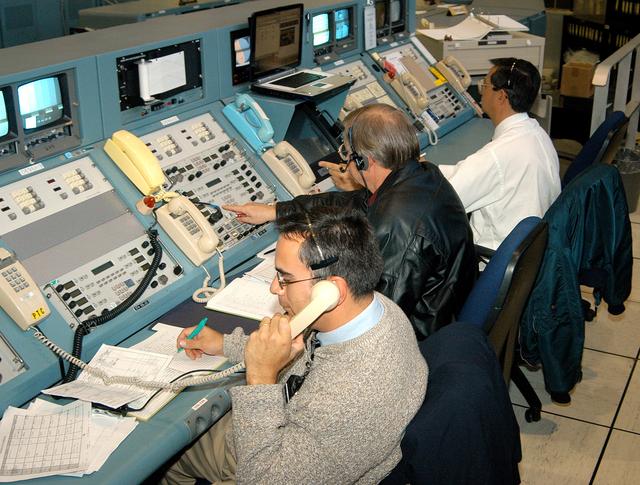
Watch: Space Station Live: Not Immune to Microbes
Video: Space Station Live: Not Immune to Microbes
Comments